Compare Local Contractors for Your Tub Conversion Project
Compare local contractors for tub conversion to define project scope, verify experience, and set clear expectations for a successful transformation.
Tub conversion projects typically involve transforming an existing bathtub into a different style or size, such as replacing a traditional tub with a walk-in shower, installing a new bathtub, or upgrading fixtures and surrounds. These jobs often include demolition of the current tub, plumbing adjustments, surface finishing, and ensuring the new installation meets the desired aesthetic and functional needs. Property owners should clarify the scope of work early on, including whether the project involves only the tub replacement or additional updates like tiling, accessibility modifications, or fixture upgrades, to ensure the chosen service providers can meet those specific requirements.
Defining the scope of a tub conversion is essential because it helps set clear expectations and allows property owners to evaluate the experience and capabilities of local contractors accurately. A detailed scope includes the types of materials to be used, surface finishes, plumbing modifications, and any additional features or adjustments desired. Having these details in writing can prevent misunderstandings and provide a basis for comparing bids or proposals from different service providers. It also enables property owners to verify whether a contractor has relevant experience with similar conversions and understands the specific challenges associated with the project.
When comparing local contractors for a tub conversion, property owners should consider factors such as their experience with similar projects, reputation within the community, and the clarity of their communication. It’s helpful to review the scope of work proposed by each contractor and ask for references or examples of past conversions. Ensuring that each service provider can deliver a comprehensive plan that aligns with the property owner’s expectations helps facilitate a smoother project. Taking the time to verify credentials, ask questions about their process, and confirm the scope in writing can support a well-informed decision and a successful conversion.
Compare local contractors by outlining your priorities, verifying experience, and clearly defining project scope and expectations.
- Compare Contractor Experience - Review the background and project history of local contractors to ensure familiarity with tub conversions.
- Define Project Scope - Clearly outline the work to be done and expectations before engaging a service provider.
- Verify Credentials and References - Check references and past work to assess the reliability and quality of local contractors.
- Document Agreements in Writing - Ensure all project details, responsibilities, and expectations are documented in a formal agreement.

Before comparing contractors for your tub conversion, clearly describe your project scope and verify their experience.
- Verify the contractor’s experience with tub conversions and similar bathroom remodel projects. - Ensure the scope of work is clearly defined and agreed upon in writing before starting the project.
- Compare multiple local contractors to assess their expertise and approach to tub conversion jobs. - Look for service providers who can provide detailed proposals outlining materials, methods, and responsibilities.
- Check references or reviews to gauge the quality of previous tub conversion work performed by the contractor. - Confirm that the contractor understands the specific requirements and preferences for your tub conversion.
- Discuss the project’s scope and expectations thoroughly to prevent misunderstandings during the work process. - Request a detailed written contract that specifies the work, materials, and any warranties or guarantees offered.
- Assess the contractor’s communication style and responsiveness to ensure clear and reliable interactions. - Make sure all project details, including scope and responsibilities, are documented in a formal agreement before work begins.
Use Tub Conversion to compare local contractors, clarify project scope, verify experience, and set clear expectations.
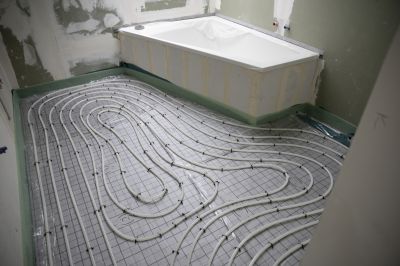

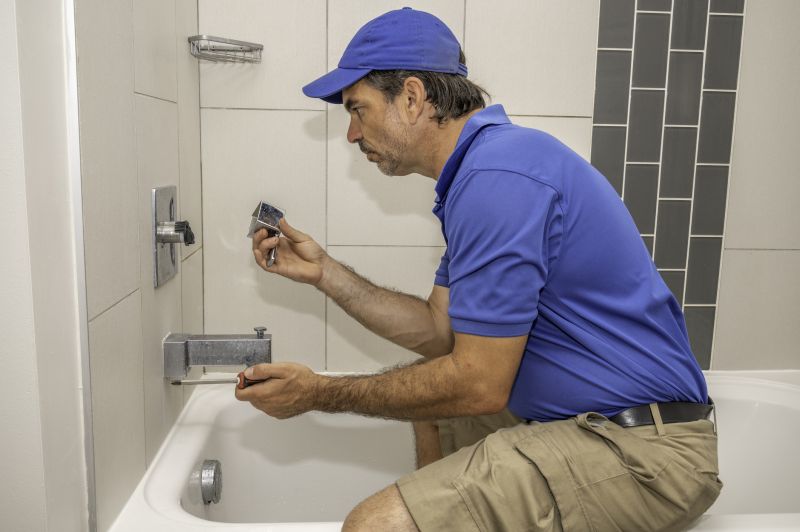
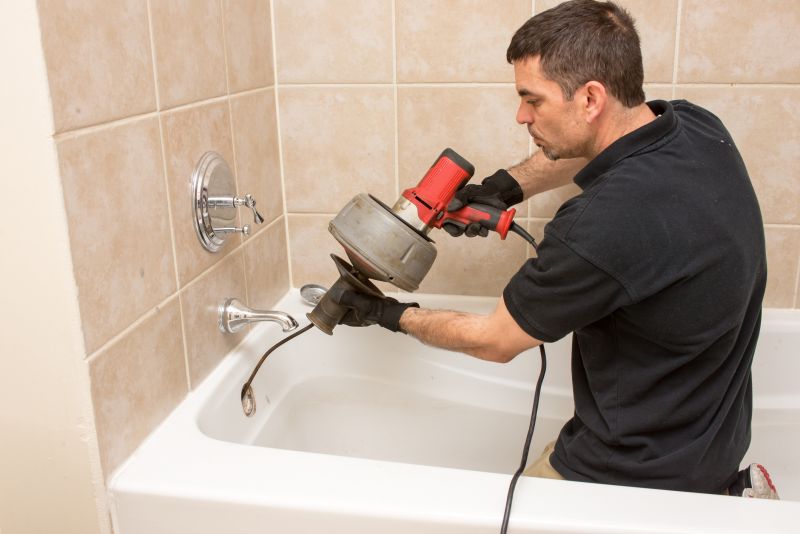
This section guides comparing local contractors for tub conversions by maintaining consistent scope, verifying experience, and clarifying expectations in writing.
- Scope Definition - Clearly outline the specific tasks involved in converting the existing bathtub to a shower or alternative setup.
- Material Selection - Specify the types of materials, fixtures, and finishes desired for the tub conversion.
- Experience Verification - Confirm that local service providers have relevant experience with tub conversions similar to the project scope.
- Work Details in Writing - Ensure all aspects of the project, including scope, materials, and expectations, are documented in a written agreement.
- Permitting and Compliance - Determine if local regulations require permits or inspections for the tub conversion process.
When evaluating contractors for a tub conversion project, it is important to consider their experience with similar bathroom remodels. Homeowners should inquire about the types of conversions the contractor has completed and request details about past projects that resemble the scope of work they need. A contractor with a proven track record in tub-to-shower or tub-to-standalone conversions can offer insights into potential challenges and solutions, helping to ensure the project is handled efficiently and effectively.
A clear and detailed written scope of work is essential for setting expectations and avoiding misunderstandings. Homeowners should seek proposals that outline specific tasks, materials, and responsibilities involved in the tub conversion. This documentation provides a reference point throughout the project, ensuring that all parties have a shared understanding of what will be done and can help prevent scope creep or surprises later on.
Verification basics are a key part of comparing local contractors. Homeowners should verify that the service providers have the necessary experience with similar projects, and ask for references or examples of completed work. Confirming that contractors have a history of reliable performance and quality craftsmanship can help in making an informed decision. Additionally, checking that they have the appropriate insurance coverage and adhere to local building codes adds an extra layer of confidence.
When evaluating options, it is helpful to compare how each contractor approaches the scope of work and their communication style. Homeowners should ask for detailed proposals or written descriptions of the project, and assess how well each contractor understands the specific needs of the job. Clarifying expectations in writing and asking targeted questions about their process and experience can lead to a more transparent and smooth project, ensuring that the selected service provider is well-equipped to handle the tub conversion effectively.
Ask contractors to provide written scope details to ensure clear, consistent expectations for the tub conversion project.
- Experience with Tub Conversions - What specific experience do local contractors have with tub conversion projects?
- Scope of Work - How do contractors define and clarify the scope of the tub conversion to ensure all desired features are included?
- Materials and Methods - What materials and installation methods do contractors plan to use for the conversion?
- Project Expectations - How do local service providers document project details and expectations in writing?
- Previous Work and References - Can contractors provide examples or references of past tub conversion jobs similar to the project?
What should I consider when choosing a contractor for a tub conversion? It's important to compare local contractors based on their experience, scope of work, and reputation. Clearly define the project scope and set expectations in writing to ensure alignment before work begins.
How can I verify a contractor’s experience with tub conversions? You can ask for references or examples of past projects similar to your own. Confirm that the contractor has a track record of completing tub conversions successfully.
Why is it important to have a written scope of work? A written scope helps prevent misunderstandings by clearly outlining the work to be done, materials to be used, and responsibilities. It provides a reference point for both parties throughout the project.
What questions should I ask a contractor before hiring for a tub conversion? Inquire about their experience with similar projects, the approach they take, and how they handle unexpected issues. Ensuring they understand your needs is key to a smooth process.
How can I compare different contractors for my tub conversion project? Review their experience, scope of services, and reputation. Request detailed proposals that specify the work involved and compare these to find the best fit for your project.
What role does communication play in a successful tub conversion? Clear and detailed communication helps set expectations, prevents misunderstandings, and ensures that both parties are aligned on project details from start to finish.
Contractors for tub conversion projects vary in experience, scope of services, and approaches. This page has provided guidance on how to define the work you need, verify the background of potential service providers, and ensure that all details are clarified and documented before moving forward. Comparing local contractors can help identify options that align with your project expectations and preferences.
Using the quote form allows you to connect with local service providers who can handle your tub conversion. It’s a practical way to gather information, understand available services, and make informed decisions by reviewing your options side by side.